
Turning research into action: what is knowledge mobilisation and why does it matter?
How can research make a difference beyond academic publications? This blog explores how knowledge mobilisation helps translate evidence into action. Through collaboration with policymakers, practitioners, community organisations and the public, the HPRU BBSTI is helping ensure research informs programmes, services, policy decisions and public health practice.
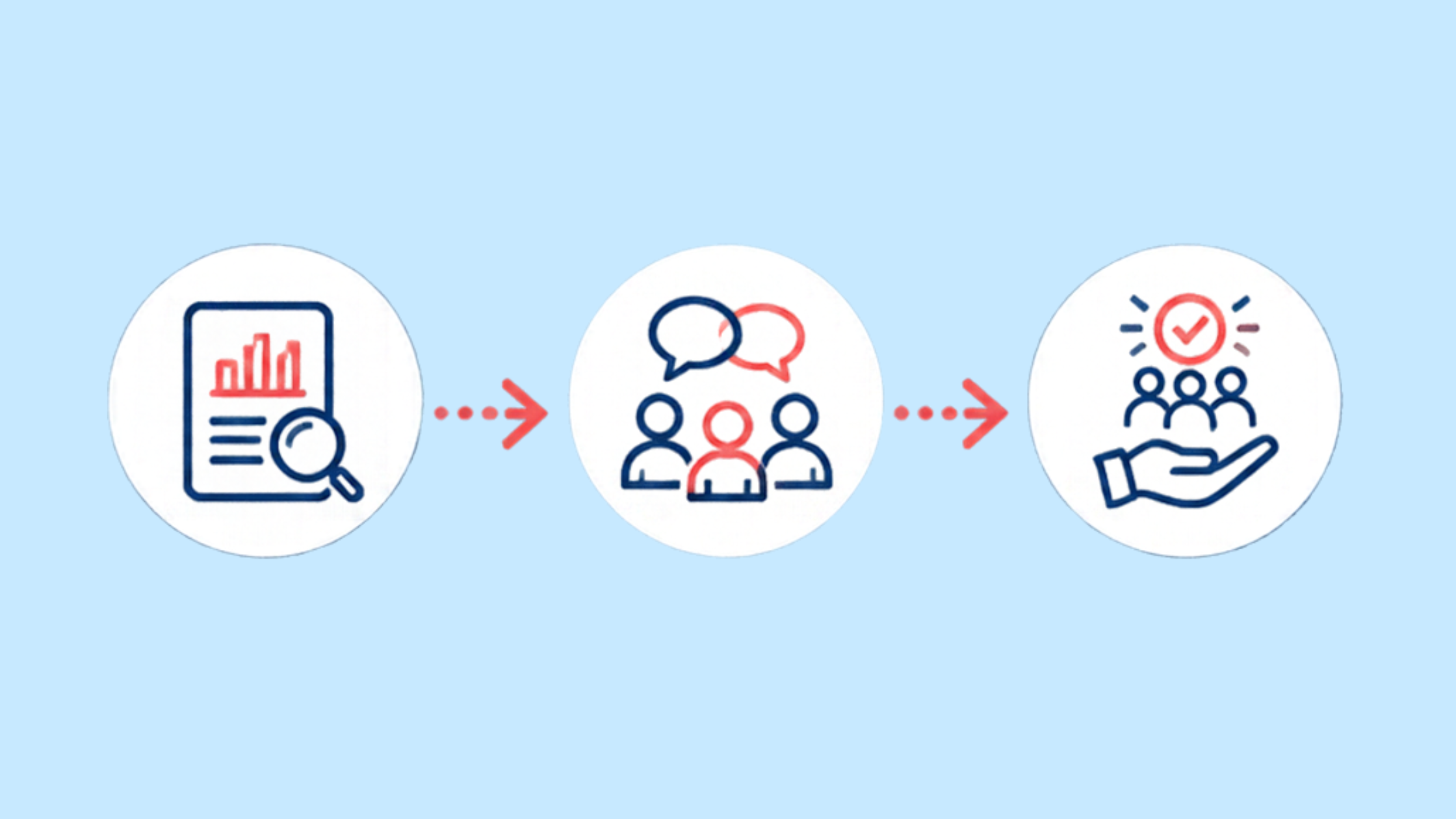
Knowledge mobilisation is the process of sharing research findings with the right people in the right format. Academic outputs such as scientific papers are an important part of research, but are not always easy for everyone to understand. Knowledge mobilisation includes activities such as sharing findings through plain-language summaries, engaging with policymakers and service providers, and organising workshops to discuss what research findings mean and how they can be applied in practice. After all, research can only improve public health if the people who make decisions, deliver services and support communities can understand and use the evidence it generates.
At the NIHR Health Protection Research Unit in Blood Borne and Sexually Transmitted Infections (HPRU BBSTI), knowledge mobilisation is embedded throughout the research process from the outset. We work closely with policymakers, public health agencies, healthcare professionals, community organisations and members of the public to build partnerships, helping to ensure that research addresses current challenges and that findings can inform policy, practice and future research.
Below are some examples of how the HPRU BBSTI has embedded knowledge mobilisation into our research activities over the past year:
- Sharing research evidence with policymakers and service providers to support the implementation of the national gonorrhoea vaccination programme. The evidence we shared helped inform service planning, workforce development and public communications.
- Providing evidence and expertise to inform the NHS England's review of LGBT+ health inequalities. The evidence we shared on the experiences and health needs of LGBT+ communities contributed to this review and will help inform future service development.
- Convening a national workshop on STI transmission modelling. We brought together researchers, public health professionals and community representatives to share knowledge, identify priorities for future research and strengthen collaboration across the field.
- Bringing together evidence on outbreak preparedness and response. We highlighted how behavioural, surveillance and genomic data can be combined with community perspectives to improve understanding of infection transmission and emerging public health challenges.
- Developing plain-language summaries of HPRU BBSTI research projects. These summaries make our research more accessible to a wider audience, enabling members of the public, community organisations and other stakeholders to understand and engage with our work.
These activities demonstrate how knowledge mobilisation can help translate research into action to improve public health beyond the production of academic outputs alone. They also highlight the importance of collaboration between researchers, practitioners, policymakers and communities in ensuring that evidence is relevant, accessible and useful.
To learn more about how HPRU research is informing policy, practice and public health decision-making, explore our Impact Case Studies.