
From PhD Student to Senior Scientist: Roeann's HPRU Journey
What is it like to grow your research career within the HPRU? Roeann reflects on her journey from doctoral student to Senior Scientist, sharing how interdisciplinary collaboration, mentorship and new opportunities have shaped her development and contributed to research that supports better public health outcomes.
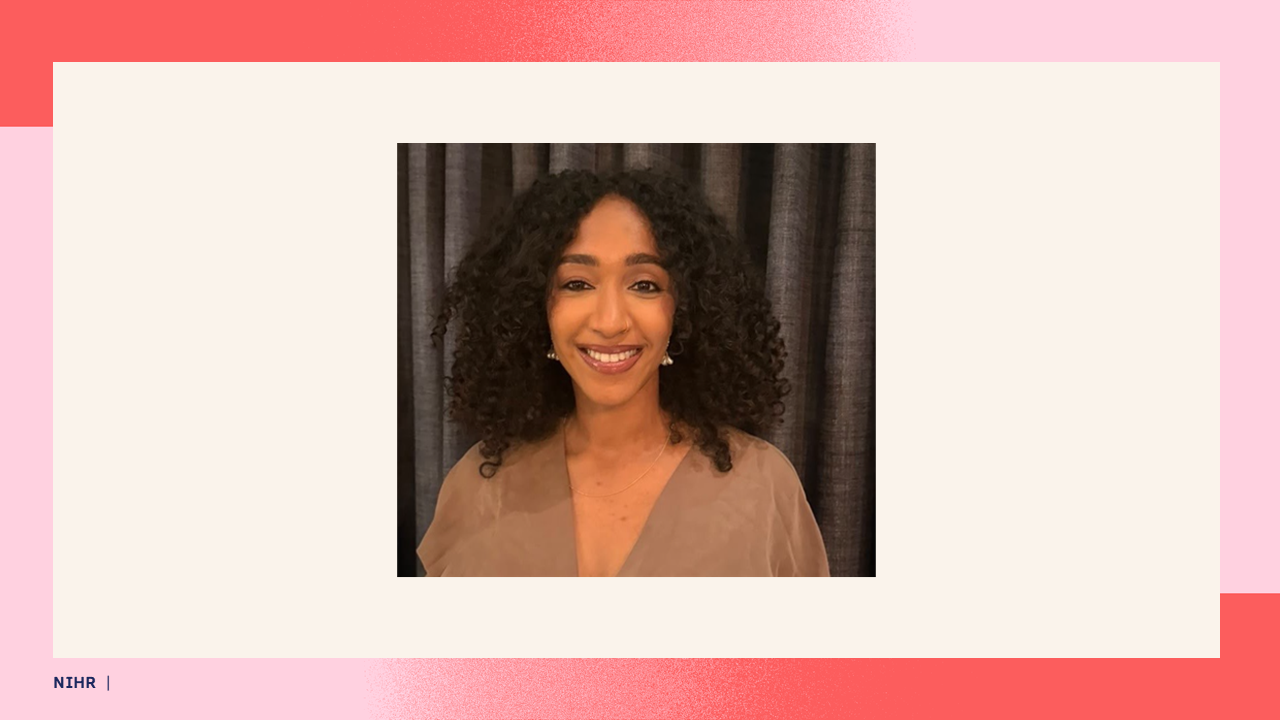
As the NIHR Health Protection Research Unit (HPRU) in Blood Borne and Sexually Transmitted Infections (BBSTI) enters its third phase, we spoke to Dr Roeann Osman about her journey from HPRU PhD student to Senior Scientist. Having been part of the programme across both HPRU2 and HPRU3, she has witnessed its growth, evolving collaborations, and continued commitment to delivering research that improves public health. She reflects on her career development, the value of interdisciplinary research, and the advice she would give to current doctoral students.
Before we talk about your research, could you tell us a little about yourself?
Outside of work, I enjoy travelling, attending plays, reading, and exploring new places to eat. I like staying active through exercise and am always up for a pub quiz or board game. Whether through travel, books, or meeting new people, I enjoy opportunities to learn something new and see the world from a different perspective.
Can you tell us about your journey from being an HPRU PhD student to your current role?
I joined the HPRU as a PhD student in 2021, having previously worked at UKHSA on the PrEP Impact Trial. My doctoral research explored whether gonorrhoea whole genome sequencing data could be combined with epidemiological data to better understand transmission patterns and inform clinical decision-making. In particular, I was interested in whether information about sexual network composition could help identify opportunities for more targeted risk-reduction interventions. It was an exciting opportunity to work at the intersection of genomics and epidemiology, while collaborating with colleagues across academia, microbiology, and sexual health services. The PhD experience highlighted the value of interdisciplinary working and importance of developing a broad range of skills, from data analysis and interpretation through to collaboration and communication. The experience also helped build my confidence and independence as a researcher.
Following completion of my PhD in 2025, I returned to UKHSA as an Epidemiologist before moving into my current role as a Senior Scientist. It has been rewarding to transition from focusing on a single research question to contributing to, and helping shape, a broader body of research across BBSTIs.
How has your research developed since your PhD?
The core focus on infectious disease epidemiology has remained consistent, but my interests have broadened considerably. During my PhD, I focused on the genomic epidemiology of gonorrhoea as part of a multi-methods research project that also included a qualitative component. Since then, I have continued to build on both my qualitative and quantitative research skills through involvement in a much wider range of BBSTI research.
This has included analysing epidemiological and microbiological data on sexually transmitted enteric infections, exploring the acceptability of the 4CMenB vaccine, examining new and interdisciplinary approaches to understanding STI transmission using mathematical modelling, and investigating genomic markers of antimicrobial resistance among doxyPEP users. My current role has given me the opportunity to apply existing knowledge while continuously developing new skills, often through collaboration with colleagues from different disciplines and backgrounds.
What role have mentors, supervisors, or colleagues played in your journey?
They have been absolutely central to my development. I have been fortunate to work with supervisors, mentors, and colleagues who have challenged me intellectually while also providing encouragement, support, and perspective. Many of these relationships have continued well beyond my PhD and remain an important part of my professional life.
I am a strong believer in the saying that "it takes a village". The people around me have helped me build confidence as a researcher, navigate career decisions, solve problems, develop resilience, and grow both professionally and personally. Their influence extends far beyond technical expertise, and I would not be where I am today without their guidance and generosity.
What advice would you give to current HPRU PhD students?
Remember that a PhD is, first and foremost, a training programme. You are not expected to know all the answers, and nobody does – hence why you are researching this question. Use this time to be curious, ask questions, and explore ideas. Most importantly, please ask questions. No question is a stupid question, and some of the most valuable learning comes from admitting what you do not yet know.
Take every opportunity to engage with researchers outside your immediate project and learn from people who approach problems differently. The HPRU offers an environment where you can access expertise across multiple disciplines, and those conversations often lead to the most unexpected insights.
Most of all, enjoy the experience! A PhD gives you a rare opportunity to think deeply about a specific problem for several years, which is something you may never have the chance to do again. There will be challenging days but remember that you are not your PhD. Your work is something you do, not who you are. Be kind to yourself, trust the process, and remember: you can do it.
Similar articles:
